Many La Mirada sales close between spring and early fall, when it has not rained in months. That creates an odd problem for a chimney leak. The seller's disclosure mentions a past water mark near the fireplace. The buyer's inspector sees a faint stain and an old patch of paint. Nobody can turn on the rain to show where the water came from, yet the parties need to agree on a fix and a price before closing.
This is a job we do often, and it is mostly detective work.
Where chimney water gets in
Water enters a chimney through a handful of places, and each leaves its own evidence:
- The top of the flue. With no cap, rain falls into the tile and runs down the inside. Evidence: rust on the damper plate, a crust of mineral deposit on the smoke shelf, wet soot in the firebox.
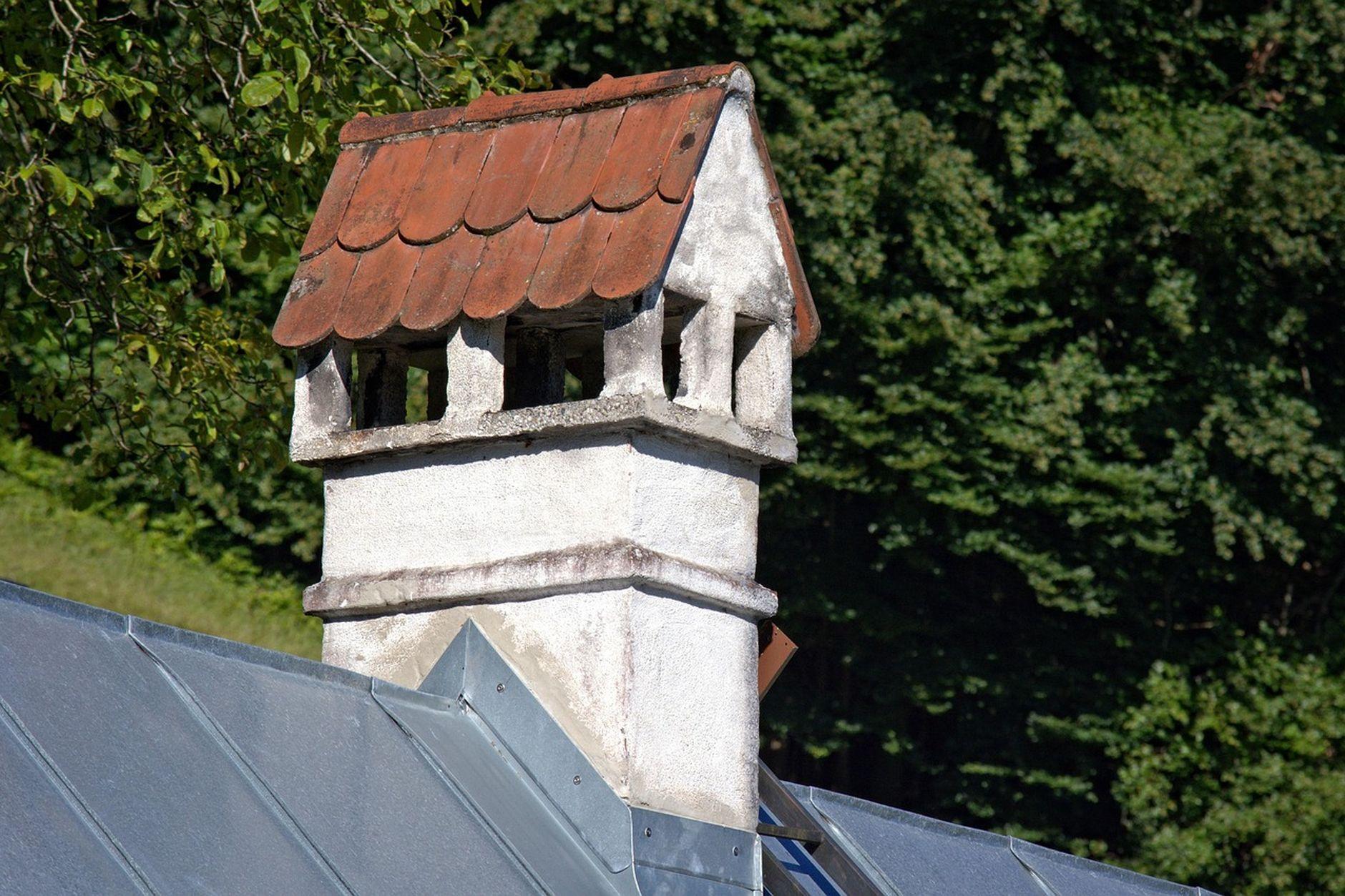
- The crown. The mortar slab around the flue tile cracks, and water soaks into the brick below. Evidence: white salt bloom on the outside of the stack near the top, spalled brick faces.
- The flashing. The metal where the roof meets the chimney lifts, rusts or was sealed with tar that has dried out. Evidence: stained framing in the attic beside the chimney, rot on the roof deck at the stack.
- The high side of a wide chimney. Water and leaves dam up against the back of the stack on the uphill slope. Evidence: a worn roofing patch behind the chimney, rot in the deck at that one spot.
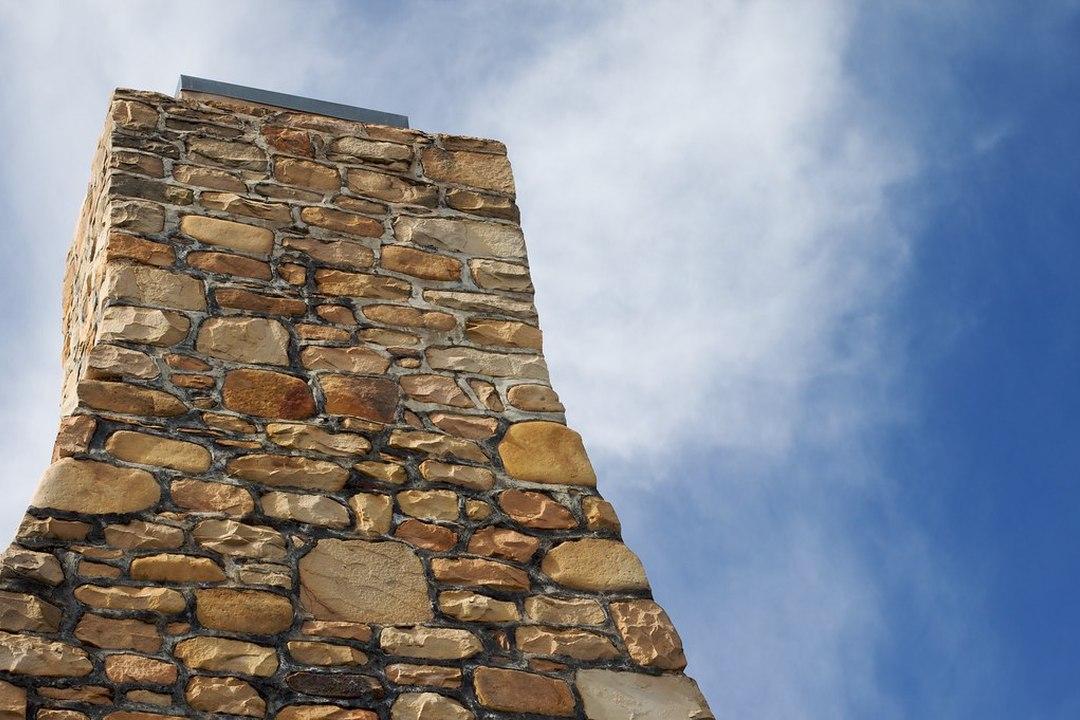
- The brick itself. Old soft brick and open mortar joints let wind driven rain soak straight through. Evidence: damp patches on the brick inside the attic after a storm, salt bloom low on the stack.
Each of these points to a different repair, which is why a scope that says only "fix chimney leak" cannot be agreed in good faith.
How we trace it in a dry month
On a dry day the evidence is still there if you know where to look. Our visit works from the outside in:
1. On the roof we read the crown, the cap or the lack of one, every piece of flashing, and the roofing on the high side of the stack. 2. In the attic we look at the framing and the roof deck around the chimney for staining, softness and old repairs. 3. Inside the flue the camera shows rust, mineral streaks and damaged tile that only water causes. 4. In the room we match the stain the seller disclosed to what we found above it.
Most of the time the evidence agrees and points at one or two sources. When it does not, the report says so plainly and names what we would test once it rains.
What it costs
A traced and stopped chimney leak from us runs $585 to $3,500. The low end is a single source with an easy fix, such as resealing one face of flashing on a single story roof. The high end is a combination: flashing renewed on every side, mortar joints repacked, and the crown dealt with, on a steep or tall roof.
Some leaks have a single answer with its own price:
| Fix | Price |
|---|---|
| Saddle to split the water behind a wide stack | $465 to $1,055 |
| Saddle plus a full set of new flashing | $700 to $1,750 |
Capping an open flue is quoted after we measure the flue. Crown rebuilds, waterproofing the brick and flashing on its own carry no published figure. They enter the scope with a firm price once we have seen the chimney up close.
The next step in escrow
What decides the price is which of the sources above is letting water in, and how many. That is settled by the visit, not by a phone call. If you are in escrow with a disclosed stain or a flagged chimney, book the leak tracing visit and use the message box to say where the stain is inside the house and whether the disclosure mentions an earlier repair. The report names the source, and the scope that follows prices the fix line by line.
What to put in the disclosure and the request
Sellers often ask how to word a past leak. That is a question for their agent, but a report helps: "chimney leak traced to failed step flashing on the north face; repaired" is a far easier sentence for a buyer to accept than "past water stain, cause unknown." Buyers, for their part, get a request for repair that names one source and one fix, rather than an open ended demand.
Leaks and a Level 2
If the house has not had a Level 2 yet, we usually combine the two. The camera run is part of tracing a leak through the top of the flue, and the sale will need the Level 2 anyway. That inspection is $410. See the Level 2 inspection page.
After the fix
When the work is done, the client receives photos of every repaired area. For anything at the top of the flue, we add a short camera clip. We do not claim a leak is gone until it has rained; the completion note says what was repaired, and the buyer gets our number on the paperwork in case the first storm shows anything new.
Related work
Our chimney leak repair page covers the repair work in more depth. The chimney flashing repair and chimney crown repair pages describe the two most common single sources, and the chimney waterproofing page explains when the brick itself needs treating.
When a stain has turned up in the middle of a sale and you need the source named before the contingency closes, the contact page gets the visit on the calendar.
Need the Chimney Settled in Writing?
Finch Chimney Group books Level 2 inspections and repair scopes from La Mirada for buyers, sellers and agents. The findings, stills and prices go to each name you give us, as one file.