A buyer in La Mirada called us last spring with a general inspection report in one hand and a confused question in the other. The inspector had written that the fireplace "needs evaluation." Did that mean the fireplace, or the chimney? And which inspection should she book? It is a fair question, because the two words get used as if they meant the same thing. They do not, and in escrow the difference decides which document you end up holding.
Two halves of one system
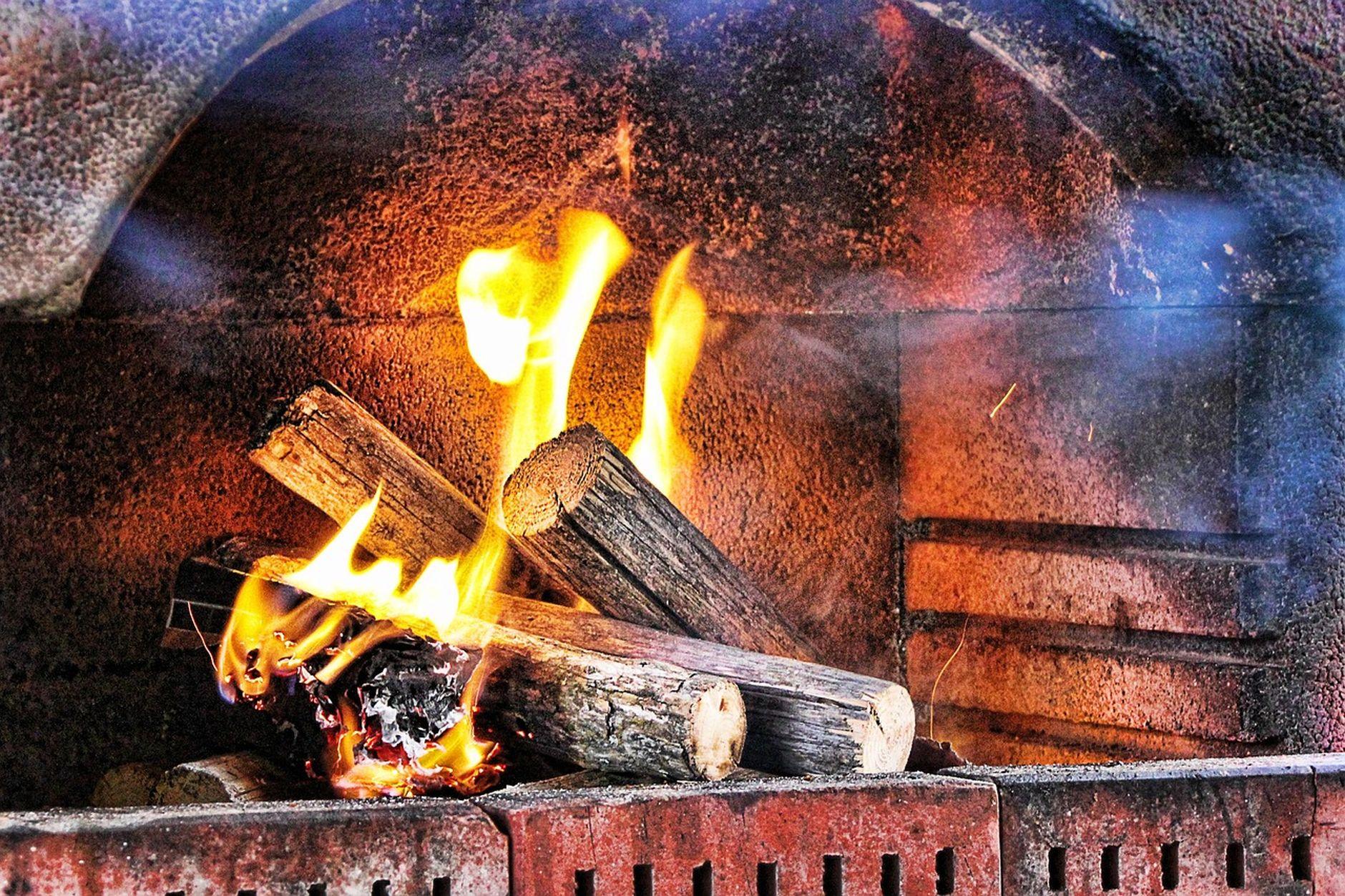
A fireplace is everything you can reach from the room: the opening, the firebox walls and floor, the hearth in front, the damper you work with a handle, the surround and the mantel. If it is a gas unit, it also includes the valve, the burner, the logs and the glass.
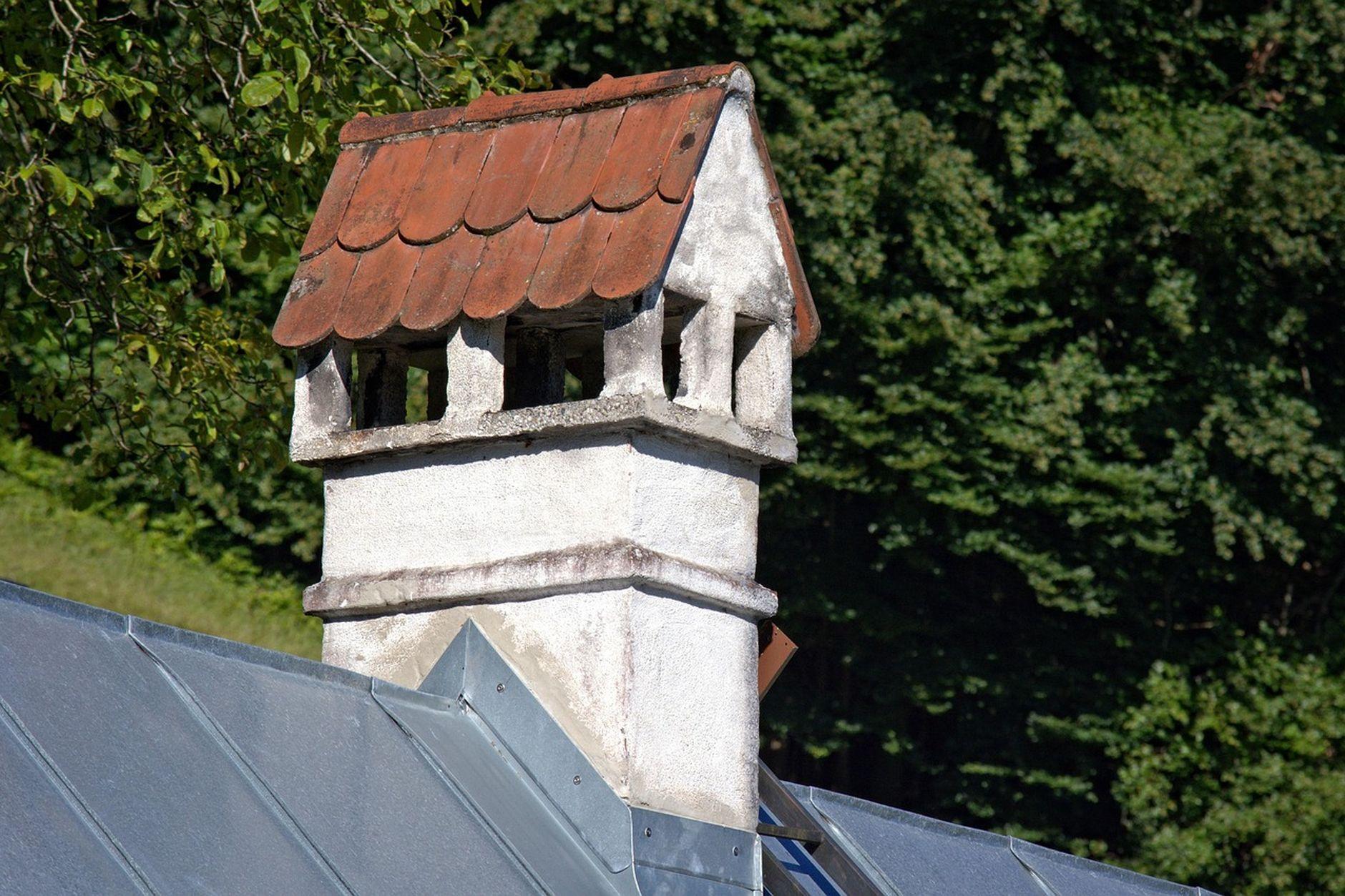
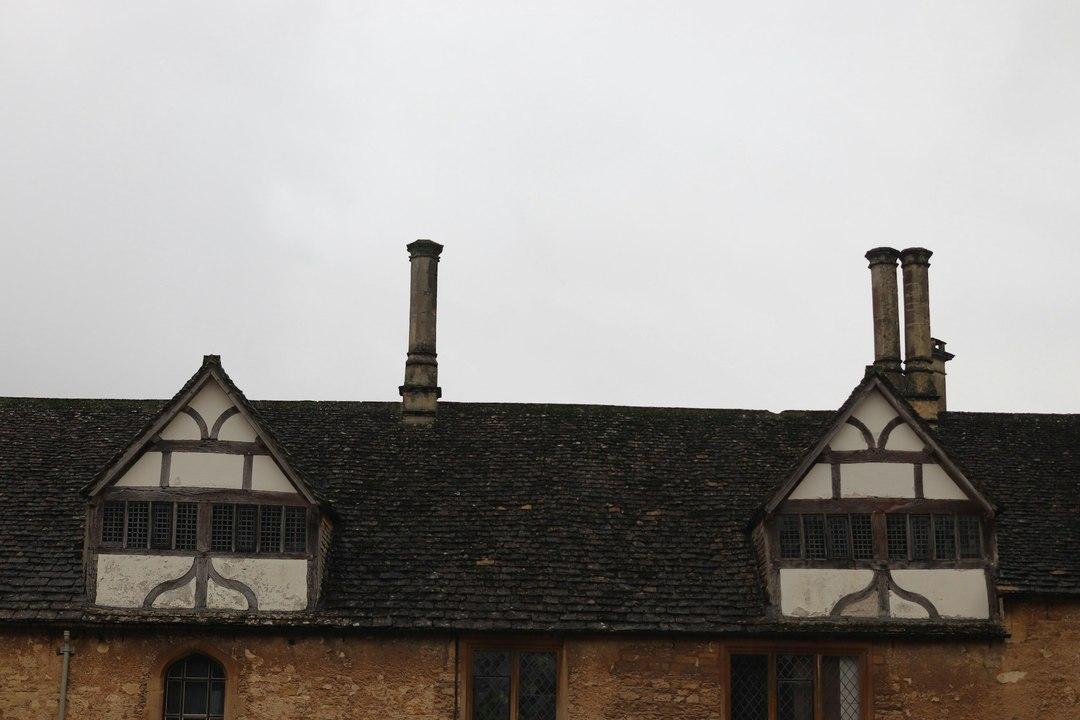
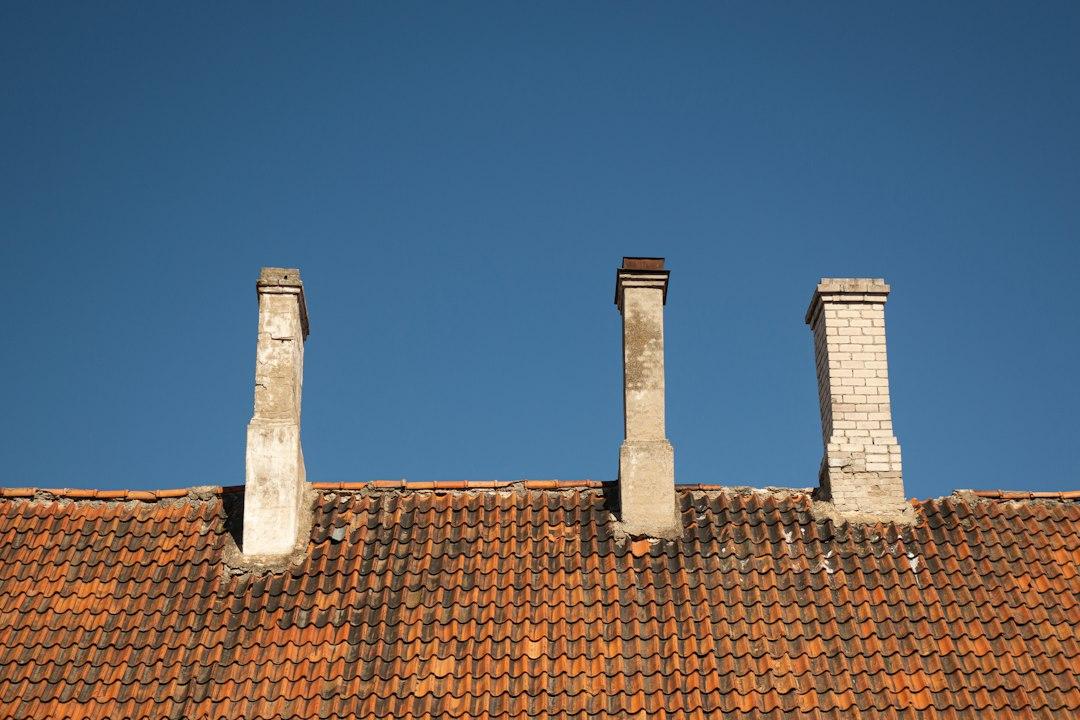
A chimney is everything above and behind that: the smoke chamber, the flue tiles or metal liner, the crown, the cap, the flashing where the stack meets the roof, and the stretch that rises through the attic.
Faults in one half can show up in the other. Smoke staining on the face of the fireplace might come from a short firebox, or it might come from a flue that is partly blocked forty feet up.
What each visit is for
Fireplace inspection. Built around the room side. We look at firebrick and joints, the lintel over the opening, the damper and its seat, the hearth extension, and how close the mantel and trim sit to the opening. On a gas unit we check the valve, the pilot or ignition, the burner and the glass. It is the right visit when the question is about the appliance itself: will it light, is the glass sound, is the trim too close. See our fireplace inspection page.
Level 1 chimney inspection. A visual pass of the parts of the chimney that can be reached without opening anything. Good for a house you already own and use the same way every winter. It is $57.
Level 2 chimney inspection. Everything in Level 1 plus a video scan of the full flue and a look at the chimney inside the attic. This is the one NFPA 211 ties to a change of ownership, and it is the one that answers a lender or a buyer who wants to know what is inside the tile. It is $410.
Side by side
| Question in escrow | Visit that answers it | Price |
|---|---|---|
| Is the flue cracked or offset? | Level 2 | $410 |
| Did a past chimney fire damage the tile? | Level 2 | $410 |
| Does the damper close and seal? | Fireplace inspection, or either chimney level | $57 for Level 1 |
| Is the mantel too close to the opening? | Fireplace inspection | set when you book |
| Does the gas insert light and stay lit? | Fireplace inspection | set when you book |
| Is the crown cracked or the cap missing? | Either chimney level | from $57 |
Which one a sale usually needs
For most sales, the answer is a Level 2, with the fireplace checks folded in. Our Level 2 visits look at the firebox, damper and hearth as a matter of course, because the camera goes in through the fireplace anyway. A separate fireplace inspection makes sense in a sale only when the question is narrowly about the appliance: a gas insert that will not start, a set of doors the buyer wants assessed, a mantel the general inspector flagged.
The reverse mistake is more common. A buyer books a fireplace inspection, gets a good report on the firebox and the gas logs, and closes without anyone having looked inside the flue. The fireplace was fine. The chimney had a broken tile at the roofline.
What decides which you book
Three facts settle it:
1. What the general inspector wrote, word for word. 2. Whether the fireplace burns wood, burns gas, or has not been lit in years. 3. Whether a lender, an insurer or the other side has asked for anything in writing.
If you have those three, send them through the booking form, paste the inspector's sentence into the message box, and we will tell you which visit fits before anyone comes out.
Gas fireplaces in a sale
Gas units deserve a note. A sealed direct vent fireplace has a vent pipe rather than a masonry flue, and the camera is less useful there. The questions are about the appliance: the pilot assembly, the glass gasket, the vent termination outside. For those houses, a fireplace inspection plus a look at the vent cap usually tells the buyer what they need to know.
A gas log set sitting in an old masonry firebox is different. It still sends exhaust up a masonry flue, so the flue still needs the camera.
When the answer is both
Some houses need both visits. A buyer planning to convert a wood fireplace to a gas insert after closing wants the flue scanned, because the insert will need a liner, and wants the firebox measured, because the insert has to fit. Our fireplace inserts page explains that job. Converting that firebox to gas with an insert runs $2,900 to $5,850 fitted, and it is useful to know that range before the contingency ends, since it can shape a credit request.
Reading the general inspector's sentence
General inspectors cover a whole house in one visit. When they write "fireplace" they often mean the whole system, and when they write "chimney" they sometimes mean only what they saw from the roof. The words are not a guide to which specialist to book. The questions in the table above are.
The short version
Fireplace inspection: the room side and the appliance. Level 1: a visual chimney check for an owner who already knows the history. Level 2: the camera, the attic and the full story, which is what a sale needs. If you are still not sure which applies, read about hiring a chimney inspector in escrow, or reach us through the contact page with the address and the report sentence and we will sort it out.
Need the Chimney Settled in Writing?
Finch Chimney Group books Level 2 inspections and repair scopes from La Mirada for buyers, sellers and agents. The findings, stills and prices go to each name you give us, as one file.