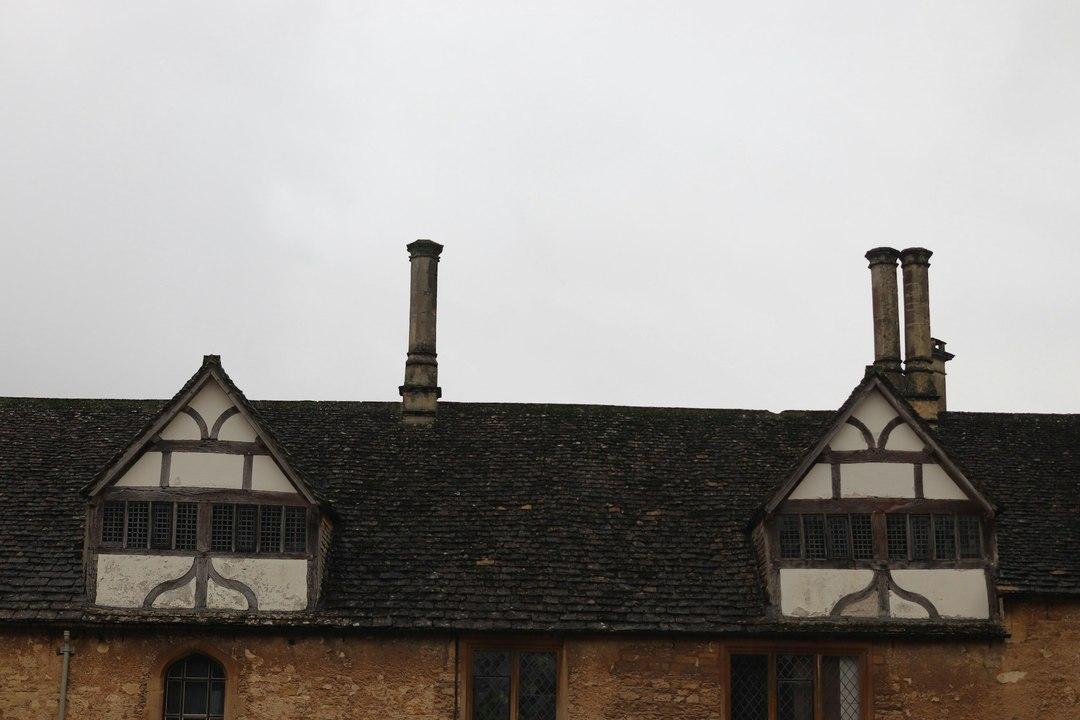
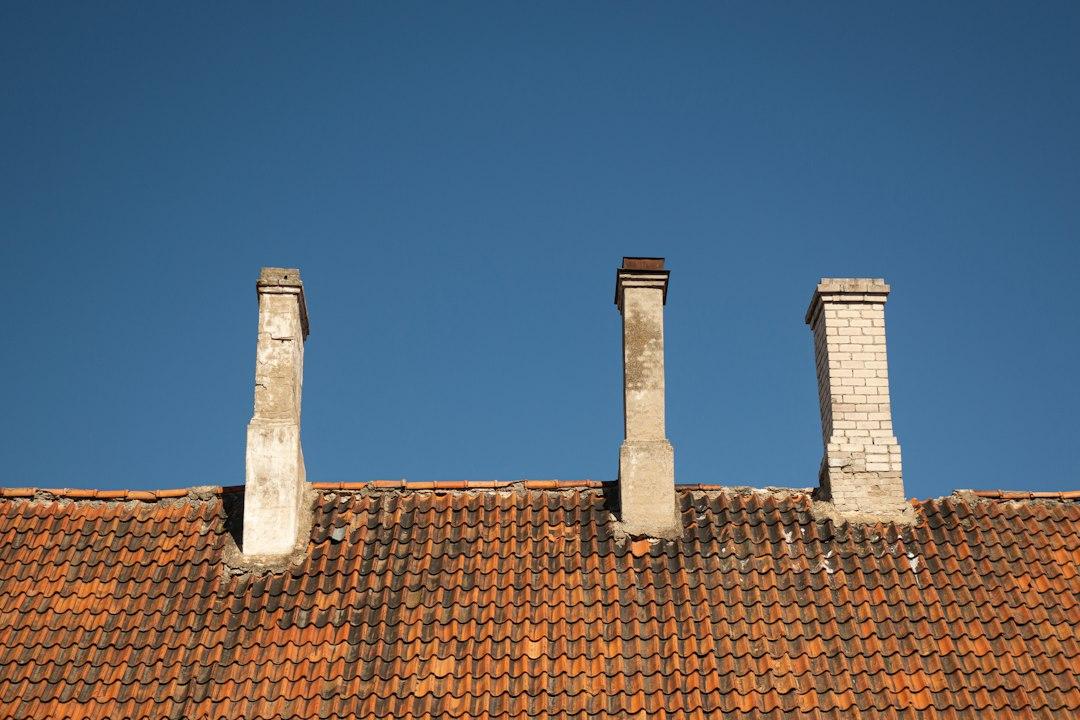
After the camera comes down and the report goes out, a sale with a chimney finding moves into a second document: the repair scope. This is the page the request for repair points to, the page the seller agrees to or counters, and the page our crew works from. On houses around La Mirada, most of the friction we see in escrow comes not from the finding itself but from a scope that was written loosely. Here is how we write ours, and what to look for in anyone's.
One finding, one line
Every repair line in our scope traces back to a numbered finding in the inspection report. If the report says finding 4 is a cracked flue tile at the second joint below the crown, the scope says "Finding 4" and describes the fix for exactly that. Nothing appears in the scope that is not in the report. That way the listing agent can lay the two documents side by side and see that nothing has been padded.
What each line contains
A repair line has five parts:
- What will be done, in plain words.
- Where on the chimney, matching the report photo.
- What materials, named by type.
- The price, or a note that the price will be fixed after a closer look.
- What the client receives when it is done: photos, a fresh camera clip, or a completion letter.
For example, a scope line for a missing cap reads something like: "Finding 2. Supply and fit a stainless cap with spark screen sized to the existing flue tile. Completion photos from the roof." Our cap work is quoted on site, and the line shows the price for this chimney. Custom and oversized caps are priced to the job.
Published prices and the rest
Some repairs we price before we have seen them because the range is predictable:
| Work | Price |
|---|---|
| Finding and stopping a leak | $585 to $3,500 |
| Saddle built on the high side of the stack | $465 to $1,055 |
| Saddle with every piece of flashing renewed | $700 to $1,750 |
| Gas insert fitted into the existing firebox | $2,900 to $5,850 |
A new cap on the flue is quoted after we measure. Others depend on what the camera found and how far it runs. A crown that has cracked through, a liner, a damper, a chase cover, flashing on its own, masonry work on the stack: these get a firm figure in the scope only after we have looked closely enough to stand behind it. Until then, the line says the work is needed and gives no number. We would rather leave a line blank than write a guess that turns into a change order after closing.
Sorting the lines
A long scope is easier to agree on when it is sorted. We group lines three ways:
1. Do not use until fixed. Items where the next fire is a risk. 2. Fix before regular use. Items that matter, but not on the day keys change. 3. Plan for later. Wear that belongs on the new owner's list, not in the negotiation.
The buyer's agent usually asks for the first group and some of the second. The seller usually agrees to the first and offers a credit for the second. The third group rarely changes hands as money, but it is in the scope so nobody is surprised later.
Who signs
The person paying for the work signs the scope. In escrow that is usually the seller, but not always: some buyers take a credit and hire us directly after closing. Either way, the scope names the signer, the address, and who else receives the completion paperwork. If a credit is agreed in place of repairs, we can reissue the same scope addressed to the buyer so it is ready for the day they take possession.
When the next step is a quote
Most scopes reach a point where the agents need a number they can put in an addendum. That is the moment for a written quote on the items without a published price. Use the booking form to request a priced scope for the findings in your report, and type the report date and the finding numbers you want priced in the message box. We go back out, look at those items closely, and return a scope with every line priced.
Scheduling inside escrow
We do not promise a date for finishing repairs before closing, because roofing access, weather and material supply can each change the plan. What we can do is tell the parties, line by line, which items need a single visit and which need two, and in what order the work runs. Agents use that to decide whether repairs happen before closing, or whether a credit is the cleaner path.
What the buyer receives afterwards
When work finishes, the client gets photos of every line, and for any repair inside the flue, a new camera clip showing the repaired section. The listing agent and the buyer's agent receive copies if they were named. A lender that asked for proof of repair gets the same file.
Common scope mistakes we see
- Lines that say "repair chimney as needed." Nobody can agree to that.
- Lines with no link to a finding, which look like padding.
- A single total for a mixed list, so a buyer cannot pick one item.
- Flashing priced together with a cricket as if they were one job when the roof only needs one.
- A scope with no mention of what proof of completion looks like.
Where to read next
The up to code repairs page covers the fixes we most often write into a scope after a failed Level 2. Our chimney repair page explains the masonry work itself, and the post on chimney leaks found during escrow looks at the single most common line.
If you have a report and a deadline and want a scope written from it, start at the contact page.
Need the Chimney Settled in Writing?
Finch Chimney Group books Level 2 inspections and repair scopes from La Mirada for buyers, sellers and agents. The findings, stills and prices go to each name you give us, as one file.