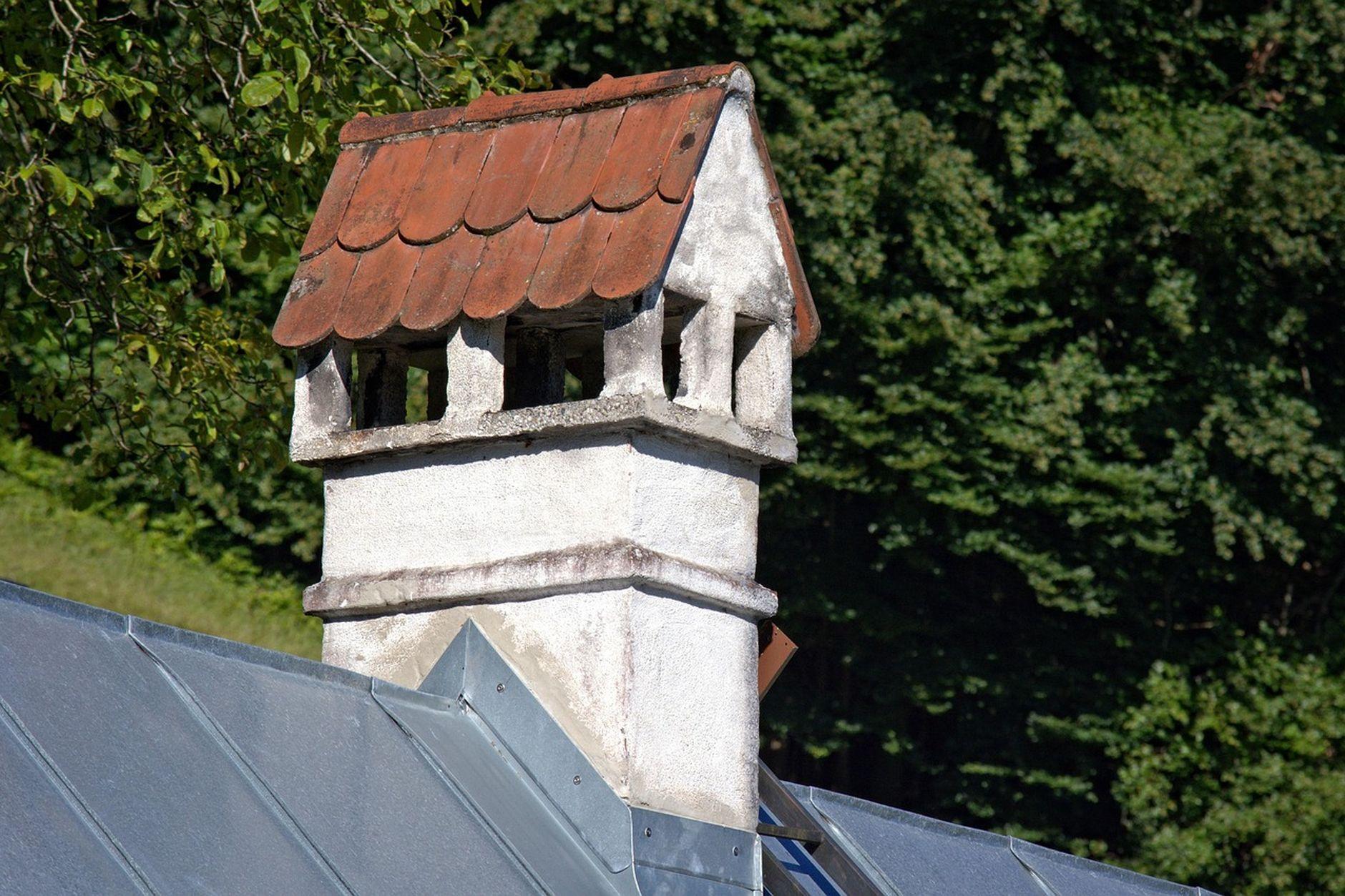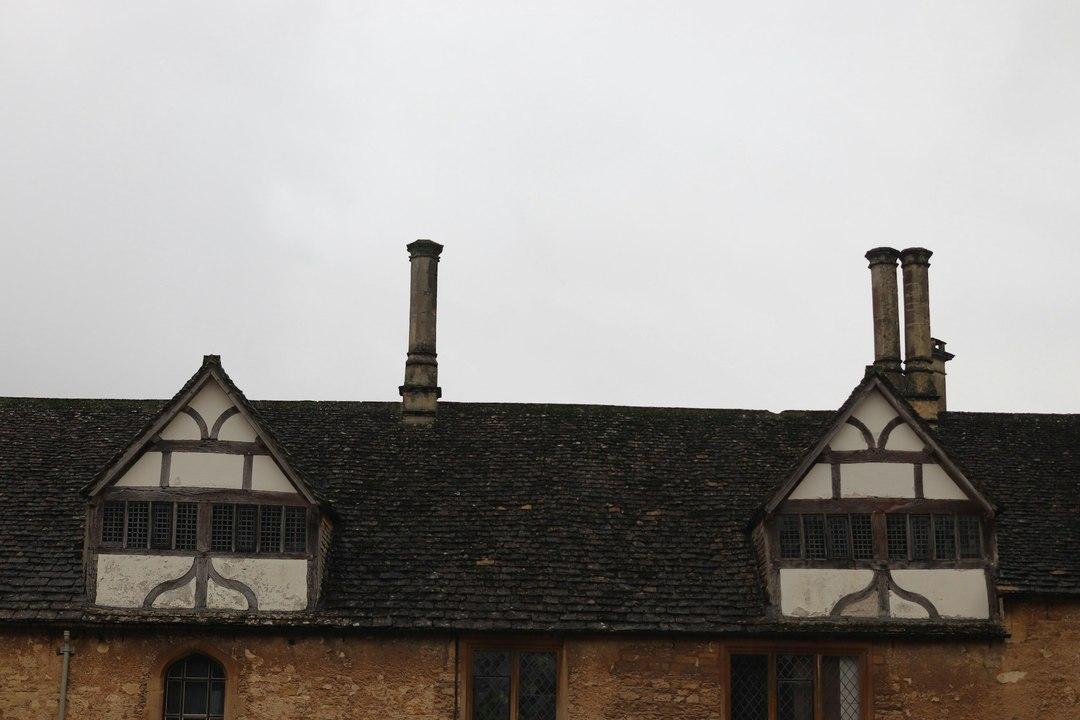
Older houses in La Mirada and the cities around it were built when a brick chimney was the standard way to vent a fireplace. Most of those chimneys have no steel inside. When one of these houses goes into escrow, the chimney's quake readiness comes up in three ways: the buyer's agent asks, the homeowners insurer asks, or the camera finds a crack that looks like it came from shaking. Each question leads to the same set of options, and each option has a place in the paperwork.
Why it comes up in a sale
Southern California's big quakes left a clear record on brick chimneys. Whittier Narrows in 1987 sits close to this corner of Los Angeles County, and the 1994 quake reached far across the basin. Plenty of chimneys were repaired after each; plenty were patched and painted. A buyer cannot tell the difference from the driveway.
Insurers know this too. Some carriers ask whether the chimney is masonry, whether it has been inspected, and whether it has been reinforced. A buyer who cannot answer may get a higher premium or a request for more paperwork before binding.
What the camera tells us
The Level 2 scan is where most seismic findings come from. We look for:
- Flue tiles that have shifted sideways so the joints no longer line up.
- Horizontal cracks through the masonry, often at the roofline or at the ceiling line.
- A gap opening between the chimney and the wall of the house.
- Old repairs in mortar that does not match, a sign of past damage.
- Brick at the top that has loosened, even if it has not yet fallen.
None of these findings alone means the chimney must come down. Together, they tell us which option suits it. The scan is $410, and the Level 2 inspection page explains the visit.
The options, in general terms
Bracing. A steel frame ties the upper part of the chimney back to the roof structure, so the stack has support above the roofline. It suits a chimney whose masonry is still sound.
Anchoring at the floors. Steel bands or angles connect the chimney to the house framing at the ceiling and floor levels it passes. This keeps the stack from pulling away from the wall in a shake.
Rebuilding the top. The section above the roof is taken down and rebuilt with steel reinforcement, or replaced with a lighter framed chase and a metal flue. This is the usual answer when the top is already cracked or loose.
Full rebuild. When damage runs low in the stack, the chimney is rebuilt from lower down with reinforcement throughout.
Which of these fits is settled by the brick, the mortar, the height and how the chimney meets the house. We describe the choice in the report and leave the design to a written scope.
What it costs and what decides it
Seismic work carries no published price. A tall stack with crumbling joints and a short one with firm brick share almost nothing but a name. What decides the figure is the condition of the masonry the camera and the roof visit reveal, the height above the roof, and which option the chimney can take. The next step is a site visit to measure and photograph the stack. Ask for a seismic scope and say in the message box whether an insurer or the buyer raised the question, so the scope answers the right reader.
How it fits the escrow timeline
Seismic work is rarely finished before closing, and we do not suggest it should be. What usually happens:
1. The Level 2 finds the issue and the report rates it. 2. We write a scope with the options and a price for each. 3. The parties agree a credit, or agree that the seller orders the work, or agree the buyer will handle it after closing. 4. Whoever orders the work signs the scope, and the work is scheduled.
For an insurer, the report plus a signed scope is often enough to move forward. For a lender, it depends on the loan, and the lender tells the buyer what it needs.
Paperwork the client receives
After the work, the client gets photos of the steel or the rebuilt section, a short letter describing what was done, and, when the flue was touched, a camera clip of the finished flue. That letter is what a future insurer or a future buyer will ask to see. Keep it with the house records.
What we do not promise
We do not say a braced or rebuilt chimney will survive any quake. No one can. We do not cite rebate programs or code sections in a sale, because those change and the parties should confirm them for themselves. What we can say is what was found, what was done, and what the photos show.
Other questions buyers ask
Can we just remove the chimney? Sometimes, if the fireplace will be retired. Taking the stack down to below the roofline and capping it is a real option, and it belongs in the scope beside the others.
Does a gas insert change anything? An insert with a liner does not strengthen the masonry. The seismic question stays the same.
Should the seller do the work before listing? If the seller already knows about damage, starting early gives more room. Our chimney seismic retrofit and chimney rebuilds pages describe both jobs.
If a seismic question has come up in your sale, the contact page is where to start, and the post on writing a chimney repair scope explains how the options end up on paper.
Need the Chimney Settled in Writing?
Finch Chimney Group books Level 2 inspections and repair scopes from La Mirada for buyers, sellers and agents. The findings, stills and prices go to each name you give us, as one file.